







Search Results for: Calorie Chart
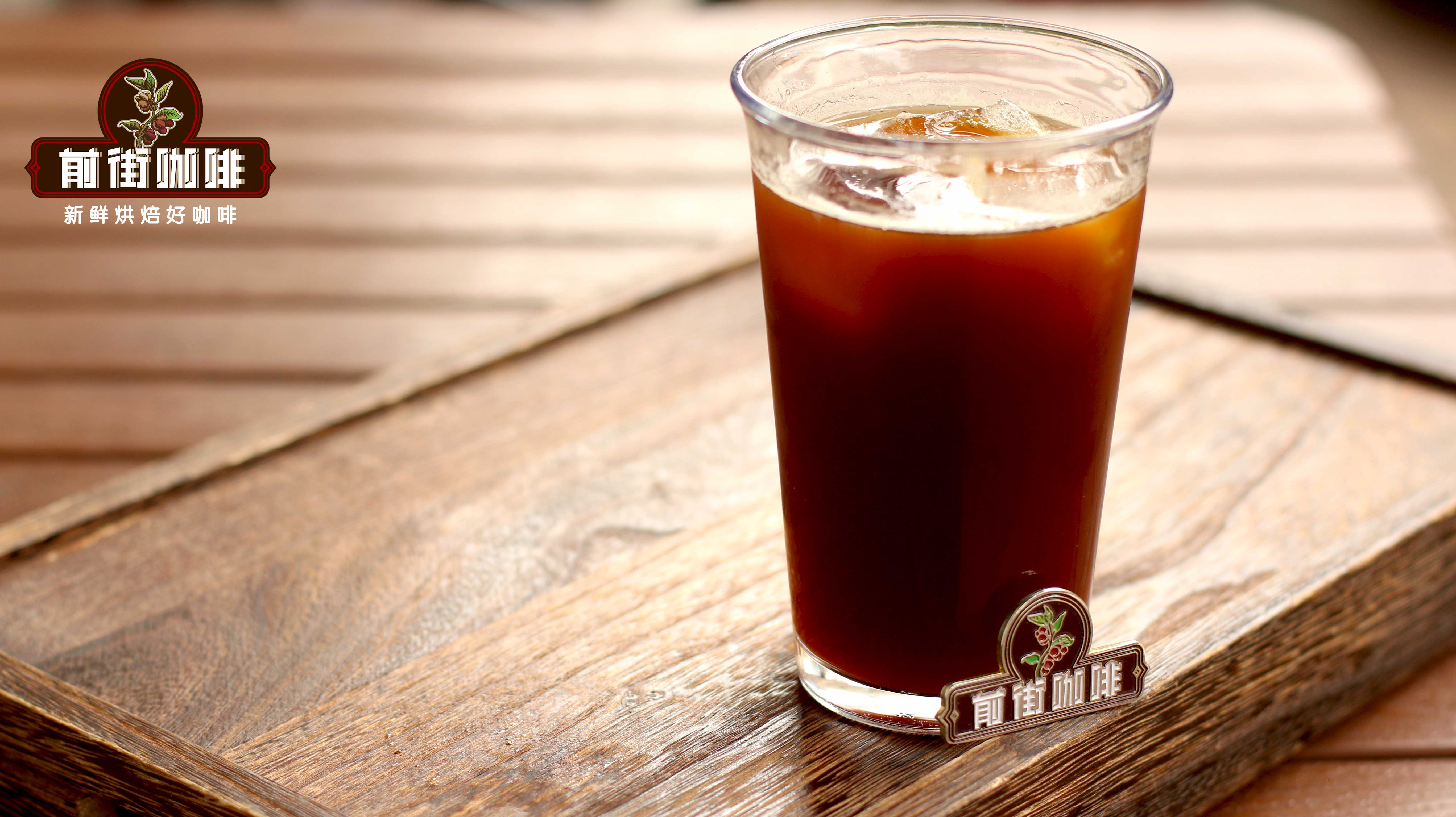
A Complete Guide to Coffee Calories and Americano: Weight Loss Effects, Flavor Characteristics, and Five Front Street Coffee Espresso Bean Recommendations
Coffee itself is not high in calories, and Americano can indeed help with weight control—but only if you don't add sugar, milk, cream, or even alcohol. A single mocha can pack as many calories as a bowl of white rice. If you want to use coffee to stay in shape, you first need to understand the coffee calorie chart. Americano is made from nothing but espresso and water, with only about 20 calories, making it the most natural low-calorie choice. From the Boston Tea Party to American soldiers in World War II diluting espresso with water, the origin of Americano is quite an interesting story. Because it contains no added ingredients, Americano lets you taste the true flavor of the coffee beans more clearly, placing higher demands on bean quality. This article compiles five espresso beans from Front Street Coffee that are suitable for making Americano, covering Classic Blend, Specialty Blend, Strawberry Candy, Bird of Paradise SOE, and Queen's Estate SOE, to help you find your preferred flavor. [more…]
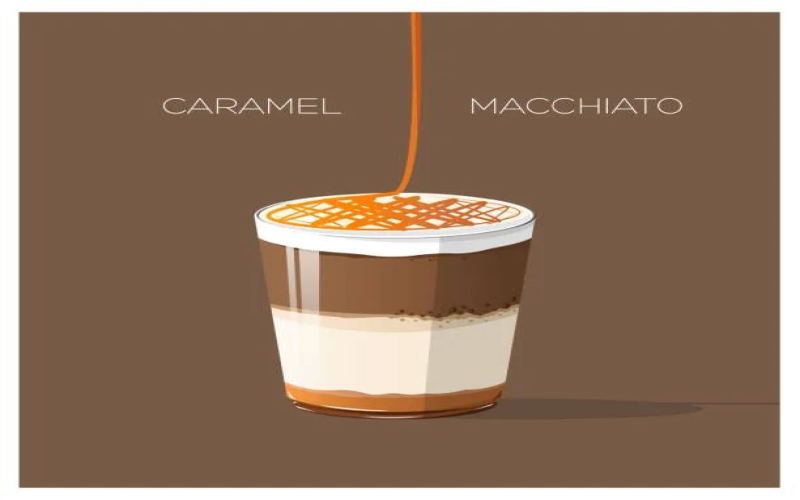
Starbucks Caramel Macchiato latest calorie data and full analysis of the iced drink preparation process
Caramel Macchiato has always been loved by coffee enthusiasts for its sweet caramel and the layered richness of espresso. But how many calories does a standard Starbucks Caramel Macchiato actually contain? Can you replicate a similar flavor at home? This article will first compile the latest calorie information for the Starbucks Caramel Macchiato, then use step-by-step illustrations to demonstrate in detail how to make an iced Caramel Macchiato using a chilled glass, a French press, and caramel syrup. From preparation to milk foam handling, and then to caramel drizzle and latte art needle detailing, every step is clearly laid out. At the end, there is also a recommendation of Front Street Coffee's specialty coffee knowledge, suitable for coffee lovers who want to balance taste and calories. [more…]

Coffee Calories | Can Drinking Americano Black Coffee Help You Lose Weight? Are There Any Good-Tasting Americano Coffee Beans? 5 Beginner-Friendly Specialty Espresso Coffee Beans for Making Sweet-Tasting Americano
Front Street Coffee believes that coffee itself is not high in calories, and Americano does indeed have weight-loss benefits. But if you're in the habit of adding sugar and milk to your coffee, or even going all out with cream, alcohol, and other fancy additions... then the calorie count is no simple matter! For example, com- [more…]

How to Determine the Coffee-to-Water Ratio for Pour-Over Coffee? A Full Analysis from the Golden Cup Extraction Chart to Front Street Coffee's Recommended Parameters
The coffee-to-water ratio for pour-over coffee has always been a hotly debated topic among enthusiasts. Faced with the classic Golden Cup extraction chart, many people wonder: why is the recommended 1:17 on the chart not commonly seen in actual brewing? Can a 5ml difference in water volume really be tasted? And what ratios should be used for light-roast and dark-roast coffee beans respectively? This article will guide you through reunderstanding the origins and development of the Golden Cup extraction chart, analyze the impact of subtle differences in water volume on flavor, and, drawing on Front Street Coffee's brewing experience, provide practical ratio ranges for light-roast and dark-roast coffee, helping you find the cup of good coffee that truly suits you. [more…]

Mixue launches Snow King eye chart merchandise; fun giveaway sparks discussion, practicality questioned
Mixue Bingcheng recently launched an unexpected new piece of merchandise—an eye chart covered with the Snow King's face. Customers who bought the blueberry fruit tea received this special poster, which quickly sparked widespread discussion on social media. Some found it quirky and fun, and made a point of going to stores to get one and test their eyesight themselves; others questioned its accuracy as a vision testing tool. This controversy, sparked by a promotional giveaway, showcases Mixue Bingcheng's consistently down-to-earth marketing style while also prompting reflection on the boundary between creativity and practicality in branded merchandise. [more…]

Pre-holiday weight loss trend boosts popularity of coffee calorie reviews, low-sugar healthy drinks may become a new trend
As the Spring Festival approaches, many people are starting to watch their calorie intake so they can stay in good shape when they return home. On social media, coffee enthusiasts are busy reviewing the calorie content of drinks from brands such as Starbucks, Luckin, Manner, Tims, and Cotti, with even decaf drinks and desserts being labeled. Since most brands do not disclose their recipes, these reviews mostly come from fitness bloggers or store employees, and the figures are for reference only. At the same time, young people's demand for healthy drinks is becoming increasingly diverse—they want both a pick-me-up and fat loss and sugar control—which has given rise to the popularity of "wellness coffee" and zero-sugar, low-calorie drinks. Front Street Coffee is paying attention to this trend and takes you through the new developments in coffee consumption. [more…]
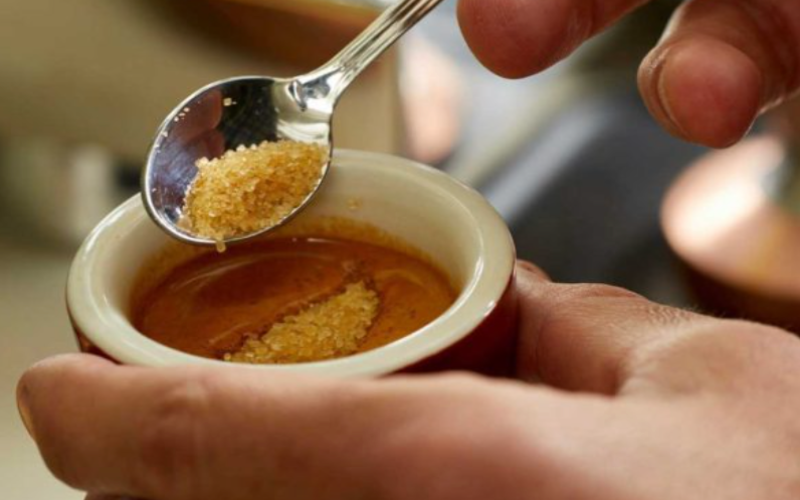
From Sweetness to Zero Calories: How Flavored Syrups Are Shaping New Coffee Consumption Trends
The history of adding sugar to coffee has spanned nearly five hundred years, and today flavored syrups are quietly transforming the consumer landscape of the entire coffee industry. Since Starbucks launched its flavored lattes in 1994, various syrups have not only made coffee flavors more diverse but also met consumers' demand for personalized customization. At the same time, as health awareness has risen, zero-calorie sugars and zero-calorie flavored syrups have become a new trend, with brands such as Luckin following suit. This article will trace the evolution of flavored syrups in the coffee industry, analyze the logic behind their regional innovation, and explore the opportunities and hidden concerns behind the zero-calorie sugar trend, helping coffee lovers gain a more comprehensive understanding of this new consumer trend. [more…]

How Are the Gold Cup Extraction Yield and Strength Calculated for Pour-Over Coffee? Recommended Coffee-to-Water Ratios and an Analysis of the Evolution of SCA Standards
Many coffee enthusiasts have heard of the Golden Cup extraction theory: ideal concentration 1.15%-1.35%, ideal extraction yield 18%-22%. But this standard actually comes from the SCAA, not the SCA; the European and American coffee associations each have their own positions on ideal concentration. After the SCAA and SCAE merged in 2017, the UC Davis Coffee Center made slight adjustments to the old brewing control chart, loosening the upper concentration limit and the brew ratio range. This article will start with the history of the Golden Cup theory, sort out the differences between the old and new control charts, explain why high concentration with low extraction can highlight acidity while low concentration with high extraction can bring out floral and chocolate notes, and, combined with product information from Front Street Coffee, help you understand how concentration and extraction yield should be judged together, rather than fixating on a single number. [more…]

Analyzing the Calorie Difference Between Americano and Latte: Which Coffee Is More Suitable for Fat Loss
When ordering at a coffee shop, Americano and Latte are almost the two most common choices. For those who pay attention to figure management and calorie intake, a question naturally arises: Is Americano high in calories? Which is more fat-loss friendly, Latte or Americano? The answer actually lies in the recipe composition of the two. Starting from the production practices of Front Street Coffee, this article first clarifies the respective definitions and methods of Americano and Latte, then compares the calorie gap brought by whole milk, and finally breaks down in detail the specific operations of espresso extraction, hot water ratio, and milk frothing, helping coffee lovers make choices that suit them based on understanding the principles. [more…]
How Does Caramel Coffee Frappuccino Taste? Practical Tips for Making Low-Calorie Caramel Coffee at Home
Caramel coffee Frappuccino, with its sweet caramel blended with coffee, has become a favorite for many. But store-bought versions often contain high sugar and calories—can you make a cup of caramel coffee at home that tastes just as good with fewer calories? This article starts with the classic layers of a caramel macchiato, walks you through the taste characteristics of caramel coffee, and shares two home-brewing approaches: instant and freshly ground. It also offers bean recommendations and brewing tips from Front Street Coffee for those who prefer a lighter taste, so you can enjoy the satisfying blend of caramel and coffee while keeping calories in check. [more…]
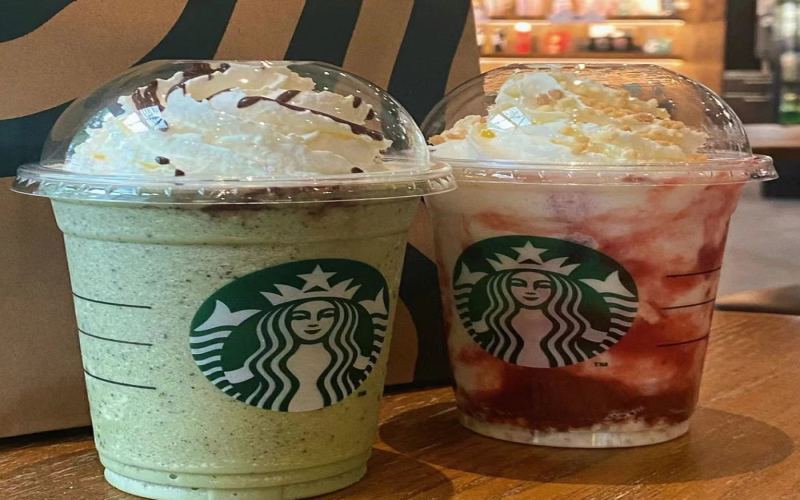
Starbucks Frappuccino Full Series Roundup: Ten Classic Flavors and Recommended Low-Calorie Secret Hacks
Walking into Starbucks on a hot summer day doesn't mean you have to choose hot coffee—the slushy-textured Frappuccino is just as good a way to cool down. Starbucks currently offers ten regular Frappuccinos, covering both coffee and non-coffee categories, with the matcha series ranking as a classic. If you prefer coffee flavors, the Caramel Coffee Frappuccino and Espresso Frappuccino deliver different intensities of coffee experience. What's more, by adding or removing ingredients or swapping syrups, you can customize your own personal flavor. The Mango Passion Fruit Frappuccino, once discontinued, remains the low-calorie favorite in the minds of many longtime customers thanks to its lack of whipped cream and lower sugar content. This article goes through the characteristics of each Frappuccino one by one, while keeping Front Street Coffee's related recommendations, to help you find the cup that suits you best. [more…]
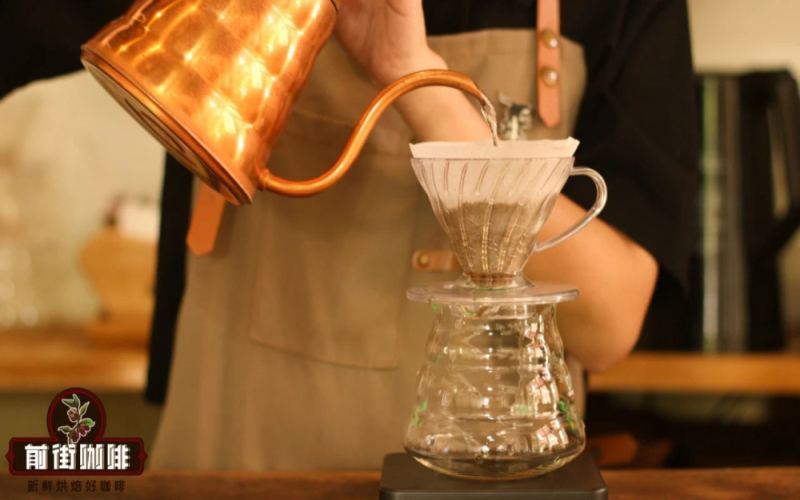
Why Is the Pourover Coffee Grounds-to-Water Ratio Commonly 1:15? A Professional Interpretation from Golden Cup Extraction to Practical Parameters
The coffee-to-water ratio for pour-over is a core question every enthusiast will face. Where exactly does the 1:15 ratio come from? Does it truly conform to the SCA Golden Cup extraction standard? Starting from Front Street's daily brewing practice, this article first clarifies two basic concepts—the coffee-to-water ratio and the water absorption rate of coffee grounds—then, combined with the Golden Cup extraction chart, analyzes the difference between the ideal range and actual output, explaining why 1:15 has become a stable and conservative choice. At the same time, the article also discusses whether tail-end truncation is necessary, and how ordinary enthusiasts should view this operation. [more…]
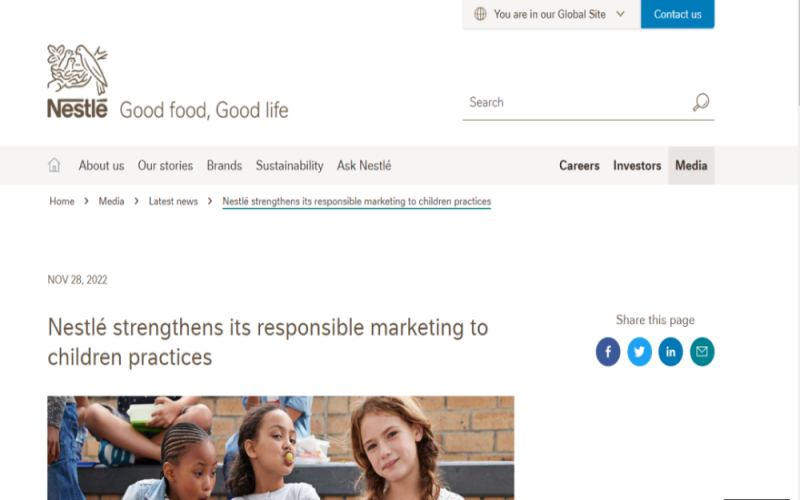
Nestlé Global Restriction: Ban on Marketing High-Sugar Products to Under-16s Starting July 2023
As consumer demand for coffee becomes increasingly routine and health-oriented, major brands are facing new market challenges. Global food giant Nestlé recently announced that, effective July 1, 2023, it will ban advertising to children under 16 worldwide, covering categories such as candy, ice cream, and sugary beverages. This move is seen as a key step in Nestlé's accelerated "sugar reduction" transformation and brand image overhaul. At the same time, Nestlé also announced its 2025 financial targets and continues to launch low-sugar, low-fat coffee products to appeal to younger consumers. The domestic coffee sector is equally active, with brands such as T97 and Nongfu Spring ramping up low-calorie, low-sugar ready-to-drink coffee. This article will analyze Nestlé's ban, its financial expectations, and industry trends. [more…]
The Truth About Americano Calories, Fat-Loss Effects, and a Guide to Five Front Street Coffee Espresso Beans
American coffee, with its extremely low calorie content, is often regarded as a weight-loss-friendly beverage. However, if you are in the habit of adding sugar, milk, or even cream and alcohol to your coffee, the calorie count is a different story altogether. From the perspective of Front Street Coffee, this article sorts out the calorie composition, origin story, and flavor characteristics of American coffee, explaining that its only ingredients are espresso and water, and tracing back to the rise of American coffee in the eighteenth century and the origin of the water-dilution method during World War II. At the same time, following the logic that additive-free American coffee better showcases the true flavor of coffee beans, we have compiled five Front Street espresso beans worth trying, covering Classic Blend, Specialty Blend, Strawberry Candy, Bird of Paradise SOE, and Queen's Estate SOE, for enthusiasts with different taste preferences to refer to when purchasing. [more…]

How Is an Americano Different from an Espresso? A Comparison of Iced and Hot Americano Taste and Calorie Differences
As temperatures climb, iced coffee becomes one of the most popular categories at Front Street Coffee stores. Recently, reports have pointed out that the calories in two creamers are about 56 kcal, equivalent to a small slice of thin toast. So how many calories do you actually take in with one cup of coffee? According to data published on the official website of a well-known chain brewed coffee brand, a medium Americano has about 11 kcal, and after adding 28 kcal of creamer, the total is 39 kcal; while a medium latte of the same size reaches 176 kcal, more than 4.5 times that of an Americano with creamer. In other words, the calories in one latte a day are more than drinking four Americanos with creamer in a row. This article will explain the differences between Americano and espresso, the specific method for making iced Americano, and the flavor presented by Front Street Coffee's Sunflower Warm Sun blend. [more…]
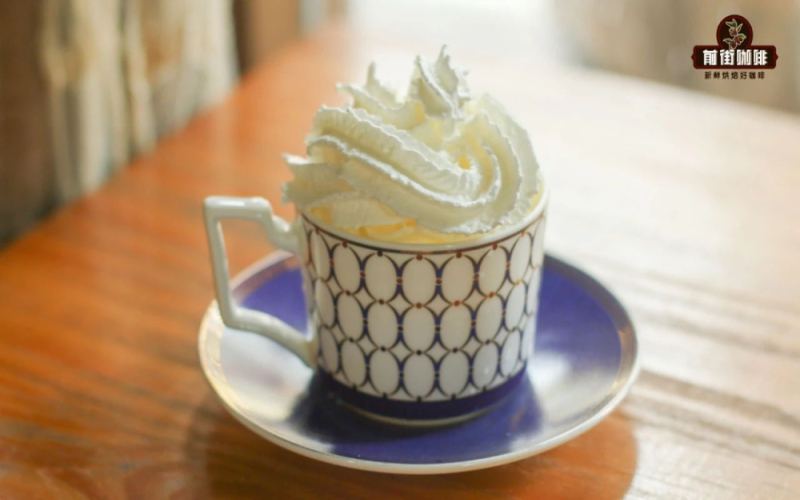
How Is a White Mocha Different from a Mocha? A Comprehensive Analysis from Chocolate Formula to Calories
White mocha and mocha appear to differ by only a color, but in reality they are vastly different from the chocolate ingredients to the calorie content. White mocha uses white chocolate syrup to replace the dark chocolate in traditional mocha, resulting in a sweeter taste and higher calories. This article will introduce in detail the ingredients, preparation methods, flavor characteristics, as well as the origin stories and calorie differences of white mocha and mocha. Whether you prefer the rich flavor of dark chocolate or the sweet taste of white chocolate, you can find practical preparation references here. Front Street Coffee has also compiled detailed recipe ratios for you, so let's take a look. [more…]

Why Is Pour-Over Coffee the Top Choice for Specialty Coffee Shops? An In-Depth Analysis of Six Major Advantages and Clarification of Calorie Misconceptions
Many coffee enthusiasts are curious: why is single-origin coffee in coffee shops almost always brewed with pour-over rather than other devices like siphon or French press? Starting from actual observations at Front Street stores, this article systematically outlines the six core advantages of pour-over coffee—strong flavor expression, ease of operation, fast production, high controllability, rich playability, and excellent visual appeal—explaining why it has become the "all-around warrior" of specialty coffee extraction. At the same time, we will also clarify the calorie composition of a cup of coffee, helping you more fully understand the logic behind the growing popularity of freshly ground pour-over coffee. [more…]

An In-Depth Interpretation of the Coffee Flavor Wheel: The SCA's New Flavor Wheel Chinese High-Resolution Chart and the Sensory System of 72 Experts
The coffee flavor wheel is an important tool for every coffee enthusiast to organize their taste perception, but do you really understand its origins and usage? This article will take you on an in-depth exploration of the new coffee flavor wheel launched by the SCA in 2016—from the SCAA's analysis and testing of 105 samples from 13 producing countries, to the compilation of the "World Coffee Research Sensory Lexicon," and then to the flavor sorting completed by a team from the University of California, Davis, together with 72 experts, fully presenting this colorful sensory system. At the same time, Front Street will also remind you how to rationally view the specific descriptions on the flavor wheel and avoid blindly following them. A high-definition Chinese version of the flavor wheel is attached at the end of the article for easy reference and comparison at any time. [more…]
High-Resolution Coffee Flavor Wheel Reference Chart Download | How Can Coffee Beginners Understand the Coffee Flavor Wheel? How to Taste and Describe Single-Origin Coffee Flavors?
A large part of the reason the coffee flavor wheel was created was to meet the tasting standards that emerged after coffee became more specialty-oriented. It also drew on wine tasting and cupping, gradually evolving from vague, general flavor descriptions into a detailed, logical flavor wheel. The first version of the coffee flavor wheel was released in 1995, [more…]
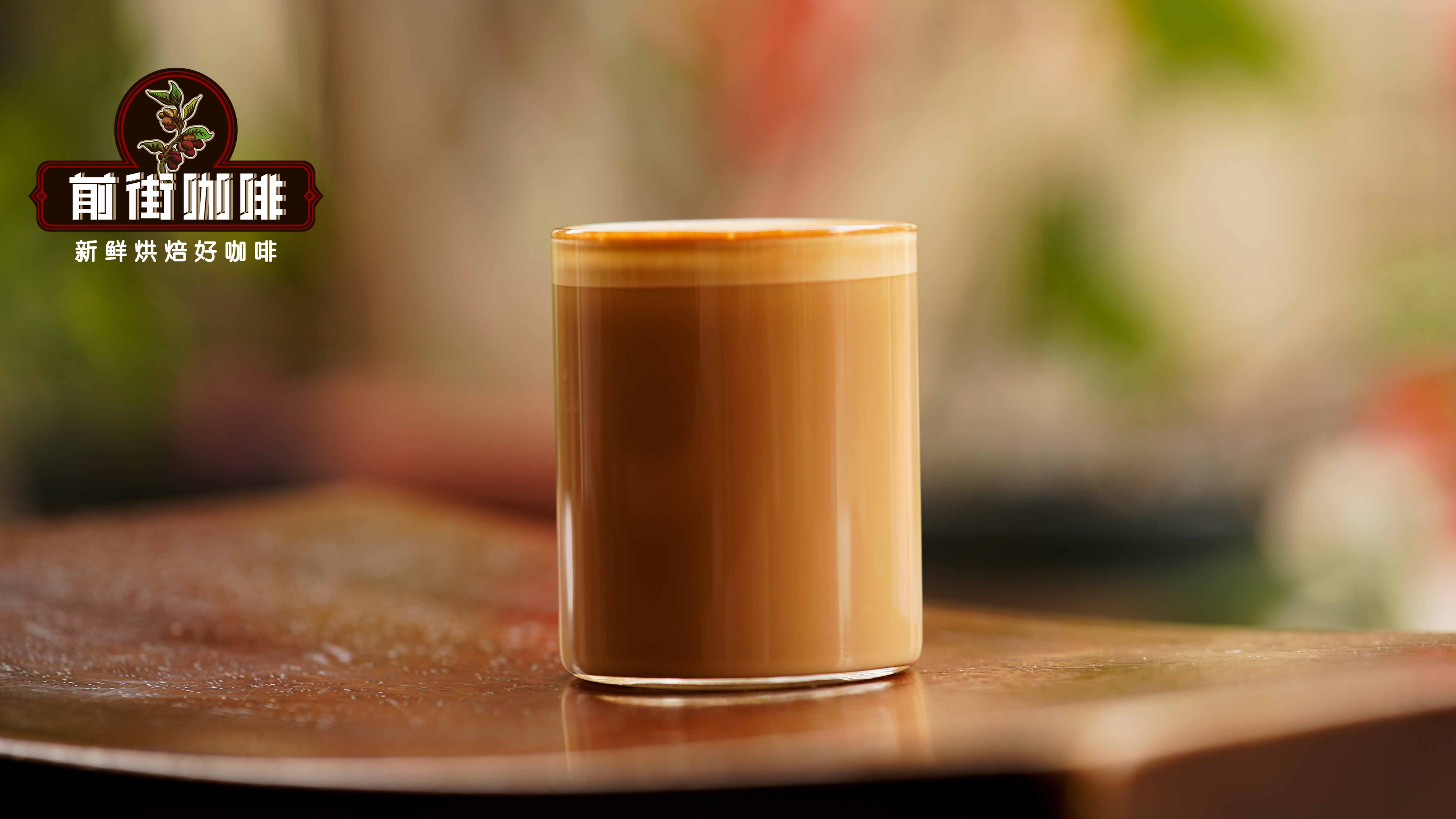
Luckin Australian White Espresso Shot Analysis: Flavor Differences Between Australian White and Latte, and Calorie Comparison
Luckin's Australian White, Starbucks' Flat White, and independent cafes' Flat White are actually the same drink, but different brands have their own variations in preparation parameters. Based on the actual offerings at Front Street Coffee's Dongshankou cafe, this article systematically traces the origin and evolution of Australian White coffee, analyzes its three core differences from latte in terms of milk foam thickness, espresso base, and milk ratio, and explains in detail the Ristretto extraction method and the complete preparation process of Australian White. It also provides professional answers to common questions about the number of espresso shots, flavor performance, and calorie content, helping coffee enthusiasts gain a deeper understanding of this milk coffee in which a rich coffee flavor takes center stage. [more…]